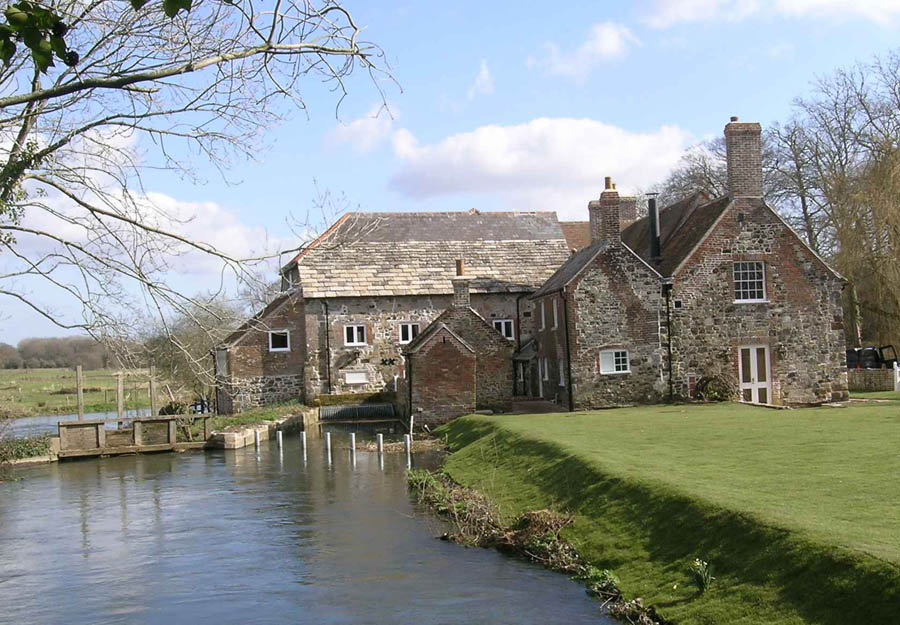
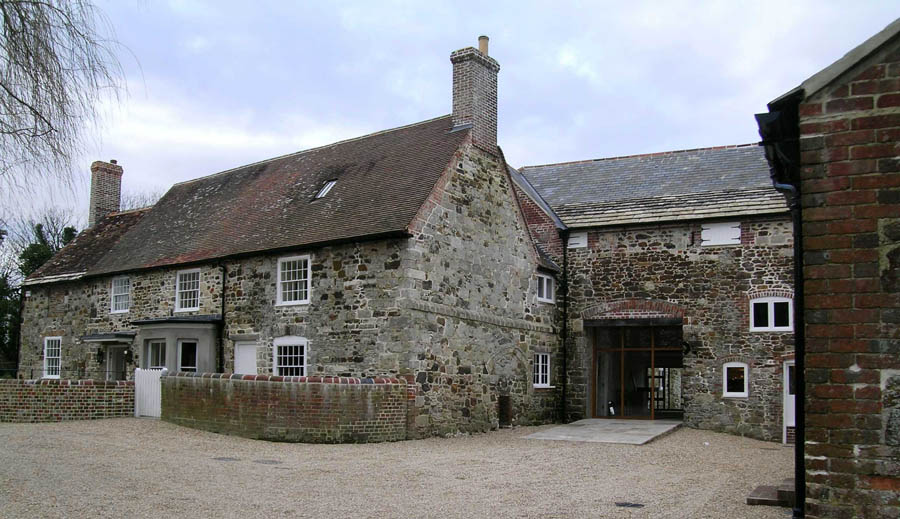
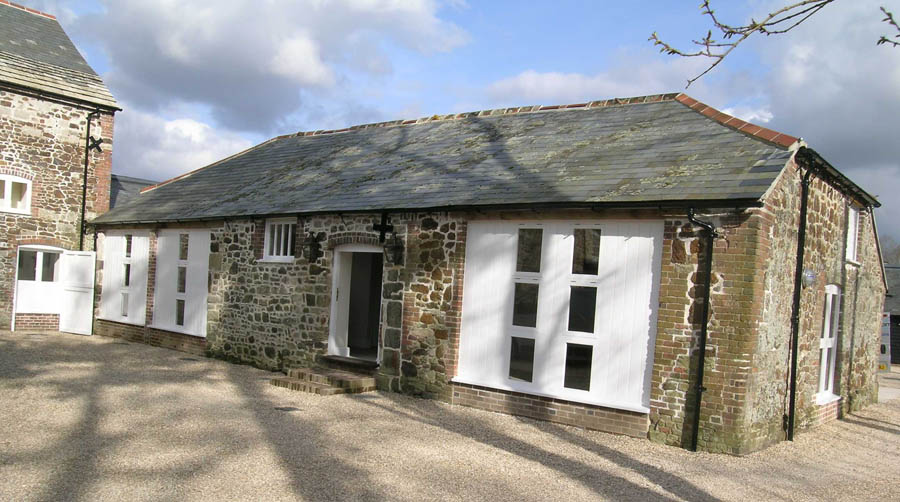
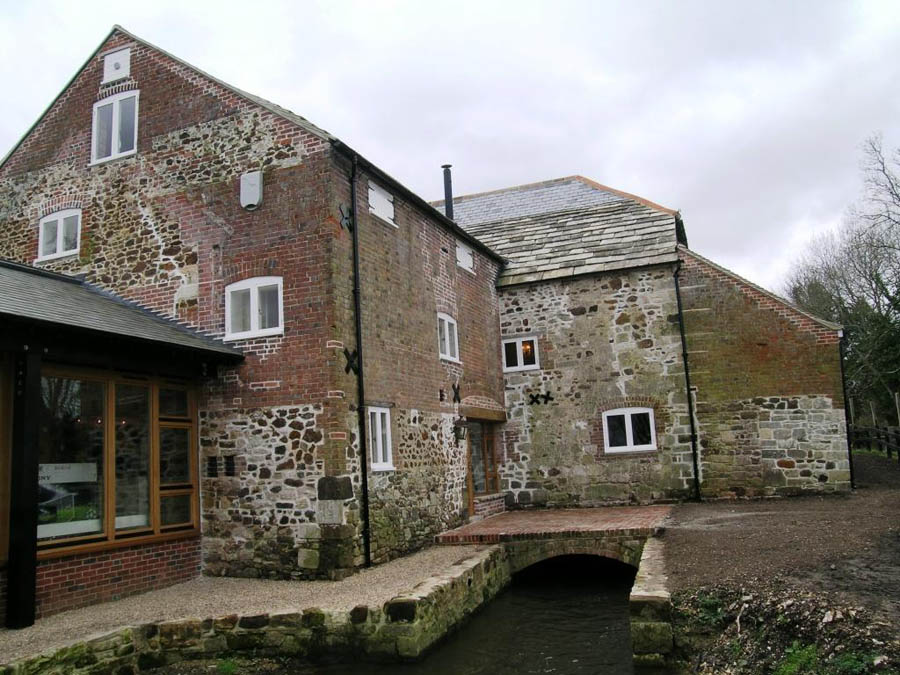
The project comprised the conversion of a derelict Mill located adjacent to a river and had the following special considerations to be addressed as part of the design :-
- Grade 2 Listed
- Site of Special Scientific Interest,
- In an area of Outstanding Natural Beauty
- A Site of Archaeological Value
- Subject to Environmental Agency (EA) scrutiny
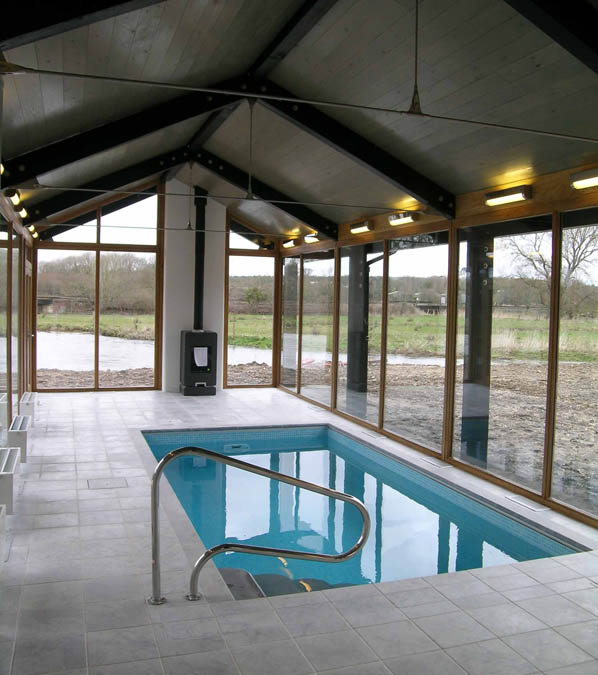
A total floor area of 675m2 of building, including a new swimming pool pavilion. Upgrading the thermal insulation standards of the building fabric is to be carried out where it can be done with sensitivity to the Listed status of the site.
The remoteness of the site precluded the use of natural gas or mains water due to excessive costs of getting supplies to the site. Oil storage/filling was considered too hazardous given the potential for pollution and flooding on the site.
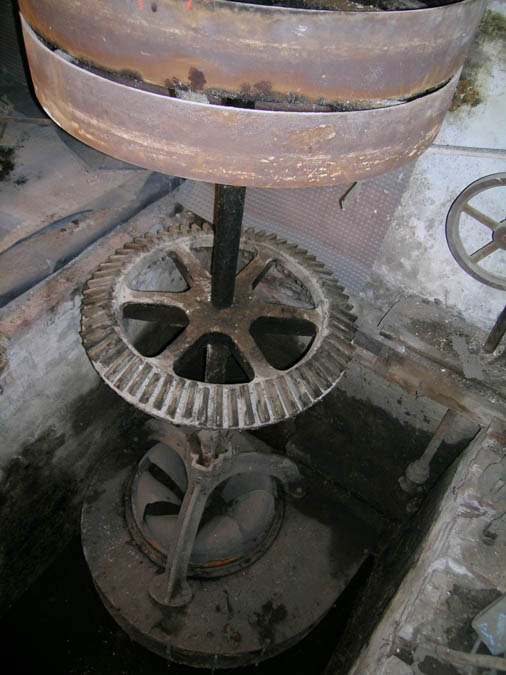
Worldwise initially produced a detailed appraisal of the alternative energy sources for the site. Given the above background and the knowledge that an Victorian Armfield Empire turbine existed on site with the potential for refurbishment and conversion to a micro-hydro turbine for between 15 and 20 kWatts of electrical power: the proposal for employing heat pumps was favoured above biomass wood chip or pellet boilers, CHP, or wind turbine. A LPG heat source could always be adopted as a last resort but the client’s commitment to renewable energy technologies steered the solution towards heat pumps for meeting domestic hot water and heating needs.
The world-renowned water diviner/dowser, George Applegate, was engaged to identify the best locations on site for groundwater extraction to meet the demands.
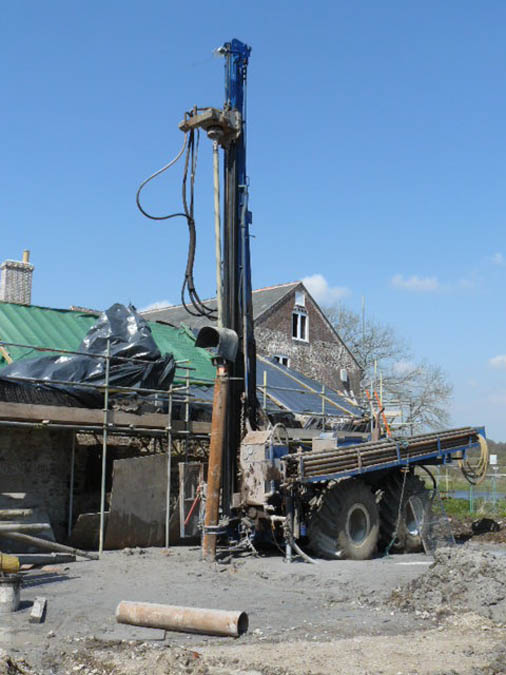
Closed loop vertical and horizontal heat pumps were discounted on cost grounds largely due to the unusually long and narrow footprint of the site. Detailed designs were prepared to employ an open-loop ground source heat pump coupled to a LPHW underfloor heating system to serve ground floor areas and a radiator system for first floor areas. The lower than normal flow temperature achieved (55deg.C) from the heat pump meant that radiators were “oversized” to obtain the necessary heat output. Too great a flow temperature would have reduced the heat pump’s COP excessively. After obtaining Section 32 permission from the Environmental Agency, a 100m deep borehole was commissioned to extract water from the ground to serve the heat pump. The groundwater temperature should have be about 12deg.C. Water leaving the heat pump would be at the lower temperature of 6deg.C, which is thought to be attractive to salmon, and it would be discharged into the river.
A separate air-to-water heat pump was adopted for the domestic hot water system so that higher flow temperatures (65deg.C flow) could be achieved without unnecessarily sacrificing COP. A 16 sq.m array of evacuated tube solar collectors have been designed to act as the primary heat source for domestic hot water production. It was intended to provide 60% of the annual heat required for this purpose.
Planning permission was granted for the solar array to be mounted on a discrete south-facing rooftop and Morgan Carey Architects embracing the holistic approach to conservation in its broadest sense were happy to alter their design to effect the optimum roof pitch of 35deg. for the solar panels.
A second 100m deep borehole was commissioned to extract water for domestic consumption as the first site might not have yielded sufficient water for both purposes. Again licences were granted by the EA for both extraction and discharge of the water with discharge being into the river.
A new 3 phase, 200kVA mains electricity sub-station is being provided to the site, its large size dictated by the heat pumps’ start up currents rather than demand. The client wanted the supply to be able to meet the total demand should the turbine ever be out of action. The remoteness of the site also convinced the client that using the turbine as a standby generator in case of mains failure would be a good idea. The system has been designed to operate in this mode also with the necessary load ballasts installed to facilitate synchronisation at 50 Hz.
The micro-hydro turbine was intended to provide some of the electricity necessary to drive the heat pumps and import/export metering is provided to allow any excess electricity to be exported to the Grid so that payment per unit exported and for Renewable Obligation Certificates (ROC’s) could be claimed.
A rainwater harvesting tank was designed to collect rainwater for garden and car washing use.
It is estimated that the low carbon systems being installed would save 18.5 Tonnes of CO2 per annum.